
Blog
Rivian Charging Expansion Explained: Adventure Network, Waypoints, and Supercharger Access

Rivian Charging Expansion Explained: Adventure Network, Waypoints, and Supercharger Access
Rivian’s charging story is bigger than one dramatic number, and that is exactly why it is easy to get wrong. Rivian has long described the Adventure Network as its DC fast-charging buildout, while Waypoints refers to a broader Level 2 charging footprint. On top of that, Rivian drivers also gained access to Tesla’s Supercharger network through a separate agreement. Put all three together and charging access looks much stronger in 2026 than it did a few years earlier, but it is not accurate to describe Rivian as building a 10,000-stall fast-charging network of its own.
What Rivian Officially Said
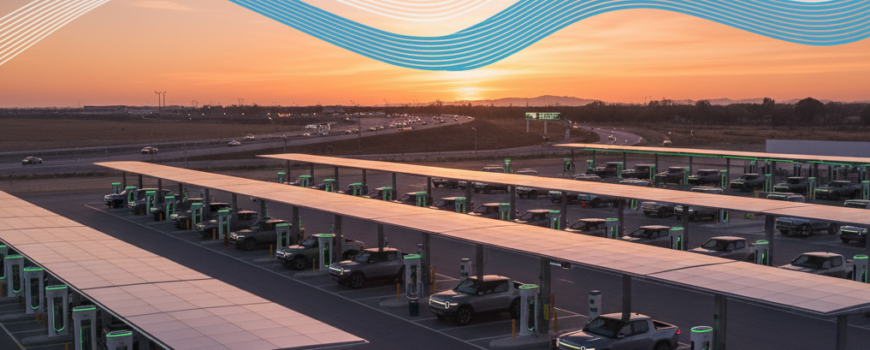
On Rivian’s own charging page, the company described the Adventure Network as a plan for more than 3,500 DC fast chargers at roughly 600 sites across the United States and Canada. That same page also described a goal of more than 10,000 Rivian Waypoints chargers, which are not the same thing as DC fast chargers.
Separately, Rivian also announced Tesla Supercharger access for Rivian vehicles, which expanded practical fast-charging coverage through partnership rather than Rivian-owned infrastructure alone.
Primary sources: Rivian charging overview and Rivian’s Tesla charging access announcement.
Why the Distinction Matters
If you are a current or prospective Rivian owner, the practical answer is encouraging: you care about total usable charging access, not just who owns each station. But if you are reading industry coverage, it matters whether a number refers to Rivian-owned DC fast charging, Rivian-owned Level 2 charging, or partner access through Tesla. Those are different networks, different charging speeds, and different ownership models.
What This Means for EV Owners
The good news is that Rivian drivers now benefit from a stronger charging picture than a single headline can capture. Adventure Network improves Rivian’s own route coverage. Waypoints help with destination and longer-dwell charging. Supercharger access fills a major convenience gap for road trips. The result is better real-world flexibility even if the original “10,000 fast chargers” framing is inaccurate.
Industry Impact
The more important story is interoperability. Rivian is helping normalize a future where competitive brands still share charging standards and access when it benefits drivers. That reduces one of the biggest adoption barriers for premium EV buyers: uncertainty about road-trip charging outside a small handful of metro routes.
Looking Ahead
As of March 25, 2026, the useful question is no longer whether Rivian can build every charger itself. It is whether Rivian owners have reliable access to enough fast charging and destination charging to use their vehicles confidently. On that front, the combined network picture is much healthier than it was at launch.
FAQ Section
Is Rivian building 10,000 DC fast chargers of its own?
No. Rivian’s own materials distinguish between roughly 3,500 planned Adventure Network DC fast chargers and more than 10,000 Waypoints chargers, which are Level 2.
Are Rivian Waypoints the same as the Adventure Network?
No. Waypoints are lower-speed Level 2 chargers, while the Adventure Network is Rivian’s DC fast-charging program.
How does Tesla fit into Rivian’s charging story?
Tesla access is a separate partnership that expanded practical fast-charging options for Rivian drivers beyond Rivian-owned infrastructure.
Why do charging headlines about Rivian get confusing?
Because articles often mix together Rivian-owned DC fast chargers, Rivian-owned Level 2 chargers, and partner-network access as if they were one number.